Aaron Bean, a horticulturalist, was doing some bird banding in northern Queensland in mid-2025 when he caught sight of an interesting looking small shrub. He took some photos of it and uploaded them to the citizen scientist database, iNaturalist. By a strange coincidence, Aaron’s namesake but no relation, Anthony Bean, a botanist at the Queensland Herbarium, saw the photos and recognised the plant as Ptilotus senarius. What is particularly notable and interesting about this is that the plant was thought to be extinct in the wild because of cattle grazing (ConnectSci article).
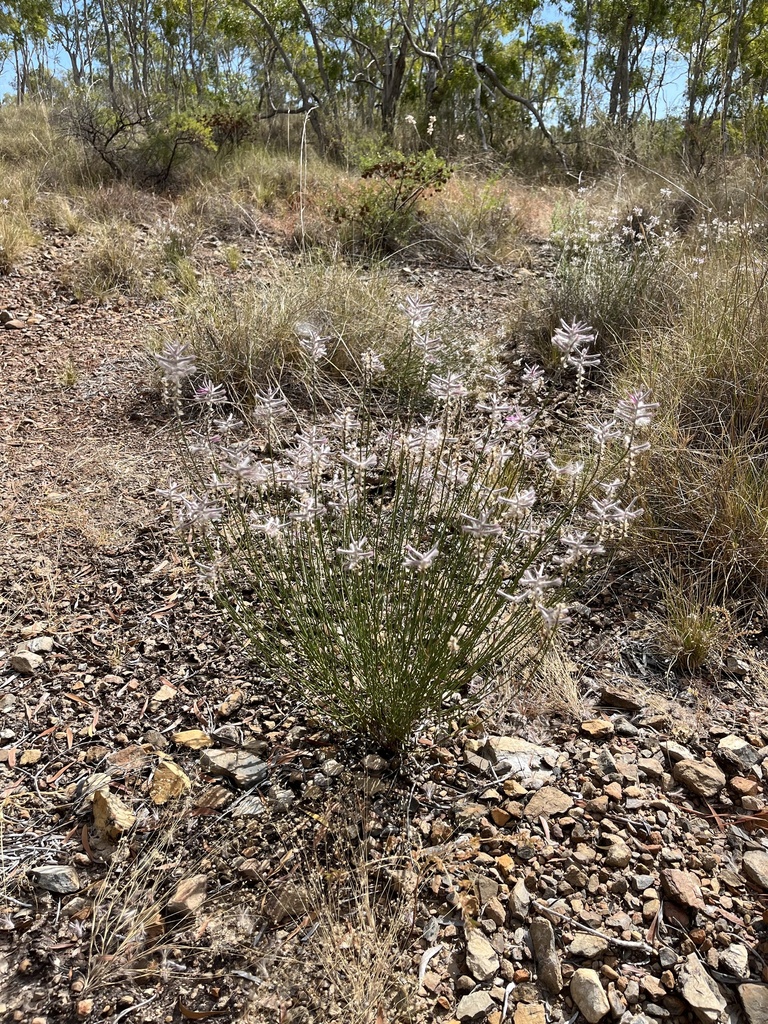
The background to the rediscovery of Ptilotus senarius is an interesting example of 21st century science. In 2008, botanists who were re-examining some herbarium specimens collected in 1925 and 1967 concluded that they were a previously unknown species of Ptilotus. The hunt was on but targetted searches between 2008 and 2014 in the areas where the herbarium specimens had been collected found no plants. The presumed new species was then named Ptilotus senarius and classed as “presumed extinct.” Aaron Bean’s recent rediscovery has led to the plant’s reclassification as “critically endangered” under Queensland nature conservation law. It’s a happy example of a plant presumed extinct being rediscovered.
There are different aspects to the increasing importance of iNaturalist, which has become widely used in the discovery and rediscovery of species in the natural world. By mid-2025, over 100 million photos of plants covering 175,000 species globally had been uploaded to iNaturalist. Thomas Mesaglio gives three reasons for the importance of iNaturalist in rediscovering plant species. Firstly, photos taken in areas difficult for professional botanists to access can be uploaded. An example of this is private land where prior approval for access by botanists is needed but where landowners themselves can easily upload photos. Secondly, photos can be seen instantly by millions of researchers worldwide. Lastly, botanical researchers are actively collaborating internationally on iNaturalist, increasing the chances that “lost” plants will be accurately identified. That said, Thomas does note that serendipity can play a role in these rediscoveries as well (Mesaglio 2025 study).
If a plant is officially listed as extinct, is it really extinct? Botanists would now say this is not always the case. One Australian botanist has said, “… it [is] impossible to evaluate how many plant taxa have become extinct in Australia.” Over the last 30 years, of all the plants globally listed as extinct on the International Union for the Conservation of Nature (IUCN) Red List of Threatened Species, about one third have been rediscovered. This same rate applies to Australian plants. About 120 Australian plant species listed as extinct have been rediscovered since the 1980s. Research has found that plant species that are truly considered extinct are randomly spread over plant families, so we can’t predict from plants that have become extinct what plants have a higher chance of becoming extinct in future based on taxonomic relationships among plants. Another research finding is that plants more likely to be accurately listed as extinct are those with a very restricted distribution, on islands or from the wet tropics. (IUCN research).
There are various reasons for the uncertainty around whether a plant thought to be extinct is actually extinct. One main reason is that the extinct label might be applied to a plant based on knowledge at a particular time but botanical research is ongoing, new knowledge is continually emerging and re-evaluations of the status of plants take time. To complicate matters, different agencies may also make different judgements. However, there’s another more interesting reason that relates to the plants themselves.
Plants with invisible stages in their life cycle are hard to find. Many parts of Australia have unpredictable rainfall or experience sporadic disturbances, such as floods or bushfires. Plants have developed various means of surviving these threats. One strategy is to respond prolifically in good seasons or after certain disturbances, like bushfires, by setting seed very quickly before herbivores can eat them. The seeds may then lie in the seed bank for decades before another good season or disturbance stimulates them to germinate. Alternatively, the plant may persist as an apparently lifeless twig until it is reinvigorated. These types of plants are extremely difficult to find in surveys, as they’re either not present or extremely rare in above‑ground vegetation. Monitoring trends in population numbers would need to be done over a timescale of decades or possibly centuries. Giving them a label of “presumed extinct” is clearly a problem, as the history of rediscovering plants shows. (Biodiversity Council article).
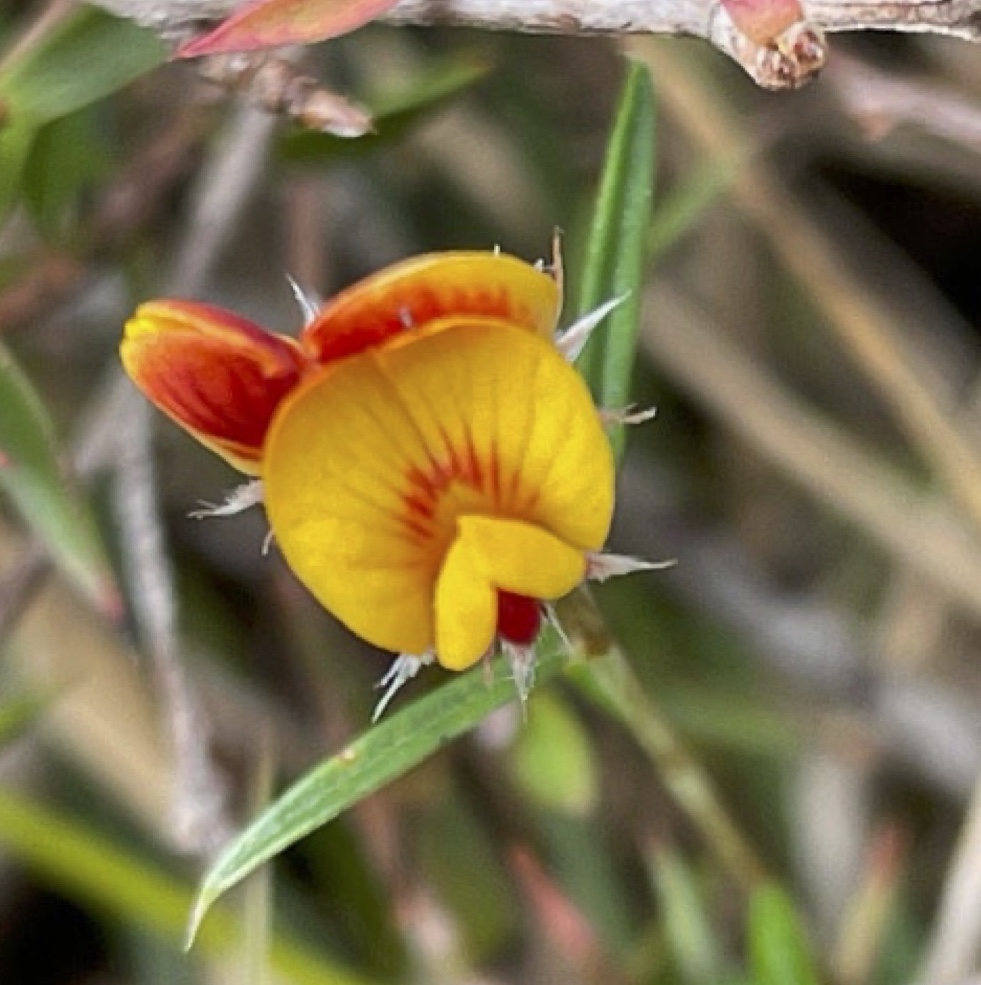
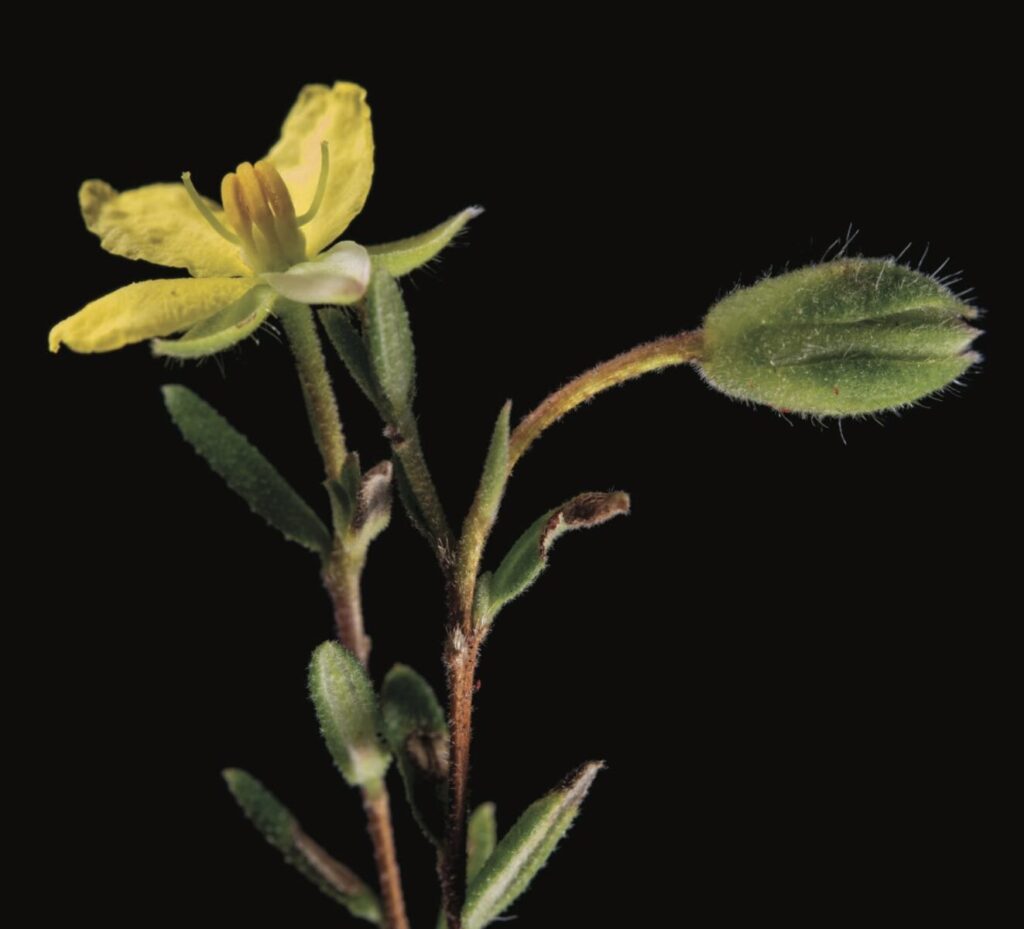
While there are obvious ongoing and increasing threats to the survival of many plants, there is also likely to be a regular, continuing trickle of rediscovered plants. The story of the fortunate and partly accidental rediscovery of Ptilotus senarius is one example. Rediscovery of presumed extinct plants is not confined to rural areas. Several years ago, Hibbertia fumana, a plant that had been presumed extinct, was rediscovered during an ecological impact assessment for a proposed industrial development in south‑western Sydney. A later search for this plant near Mittagong in the Southern Highlands led to the rediscovery of Pultenaea elusa, which had not been seen for over 60 years. There are more good news stories about a variety of other rediscovered plants, described as “ephemeral rarities” by the author, Jen Silcock, a Queensland botanist, here. (Biodiversity Council article)