
Nobody would be surprised to hear that climate change is affecting plants. One way in which plants are changing is in their flowering time. Some plants are flowering earlier than they used to, while others are flowering later. Another way they’re changing is the time at which they put leaves on. Yet another effect of global warming is that plants are changing their geographic location.
Botanists are not surprised that plants are changing their distribution in response to climate change. As global warming continues, botanists have predicted that plants would try to remain in the type of habitat they’re used to, so they’d generally move to higher altitudes or toward the poles. Based on research that included 6,000 plants worldwide, some Australian ecologists found that many plants have indeed been moving in these predicted directions. Contrary to expectations, however, a lot of plants have not been moving at all. What they found even more puzzling was that 37 per cent of those 6,000 species are moving in the opposite direction to what was expected – they’re moving downhill or towards the equator, that is, to warmer habitats. That’s a lot of plants moving in ways that cannot currently be explained.
All these types of plant movements have important implications for conservation in Australia and elsewhere. In New South Wales, conservation legislation states that plant communities to be conserved should be maintained in or restored to their condition in 1750, as it’s assumed that’s the condition that they were in before large-scale human disturbance. That approach, according to Professor Angela Moles from UNSW, was reasonable while the effects of climate change were still fairly minor. With plants now moving at different rates and in different directions across the landscape, plant communities are reassembling themselves. Plant species that were not part of particular plant communities are now moving into those communities. This has huge implications for what conservation is going to mean.
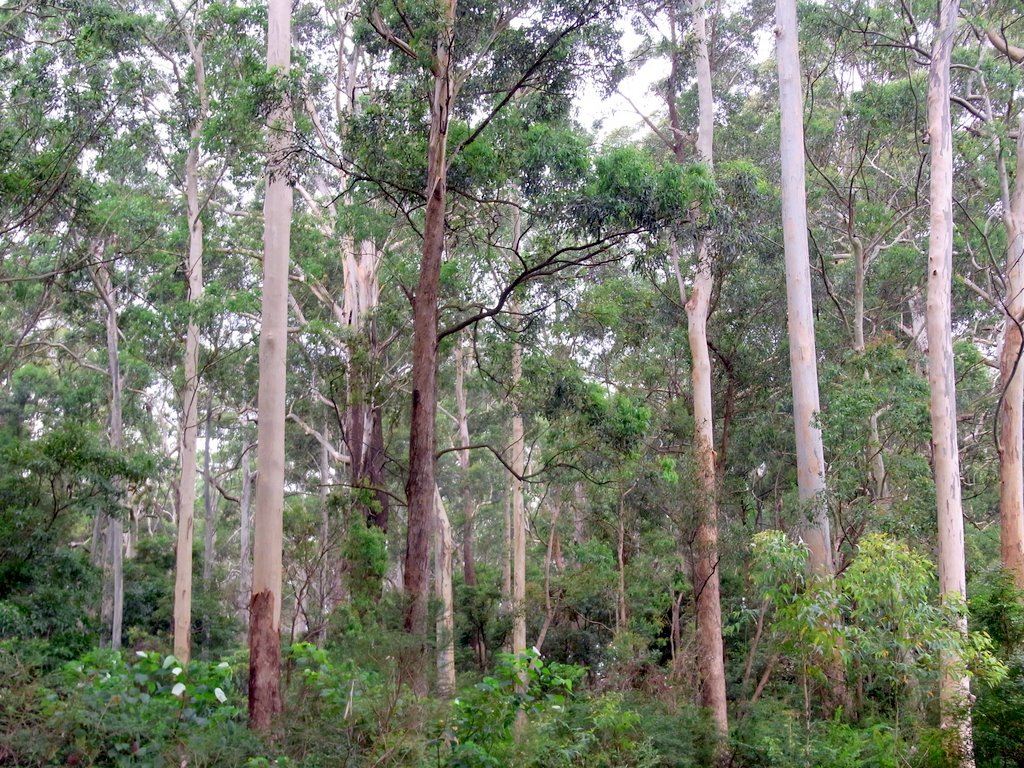
Angela Moles talks about this issue using the example of alpine ecosystems. Arguing that alpine ecosystems need to be maintained in the state they were in before white settlement (i.e. as close to their 1750 state as possible) leads to labelling any species that migrates into that ecosystem because of climate change as an invader. Looking from another angle at that species which has been forced to migrate would see it as migrating for its own survival – and survival of individual plant species is important. This contradiction clearly shows we need to rethink what conservation means. Angela Moles’ view is that we should move from focussing on conserving particular ecosystems or particular species, even though each in itself has value, and aim more broadly to maximise the amount of biodiversity we conserve for the future.
Another related aspect of conservation is what and how much land to protect for conservation purposes. Under the Convention on Biological Diversity, Australia pledged a few years ago to protect 30 per cent of its land and waters by 2030. This is known as the “30 by 30” target. By early 2026, Australia had protected 22 per cent of the country. While this sounds commendable, recent research by James Watson together with some other Australian ecologists has shown that we’re not protecting the areas that are the most important for conserving those plants, animals and ecosystems that are most at-risk. About 10 per cent of our endangered species have virtually no protection. This situation has arisen because of the way in which land has been set aside to conserve nature. The land which has been protected is generally remote and has little productive value. It’s not that that land isn’t worth conserving. On the contrary, some of it has very high biodiversity value. However, a large number of plants, animals and ecosystems at-risk in Australia are in highly disturbed areas, including areas close to urban development and land in agricultural areas. Under current conservation practices, land in areas like these has a much lower chance of being protected.
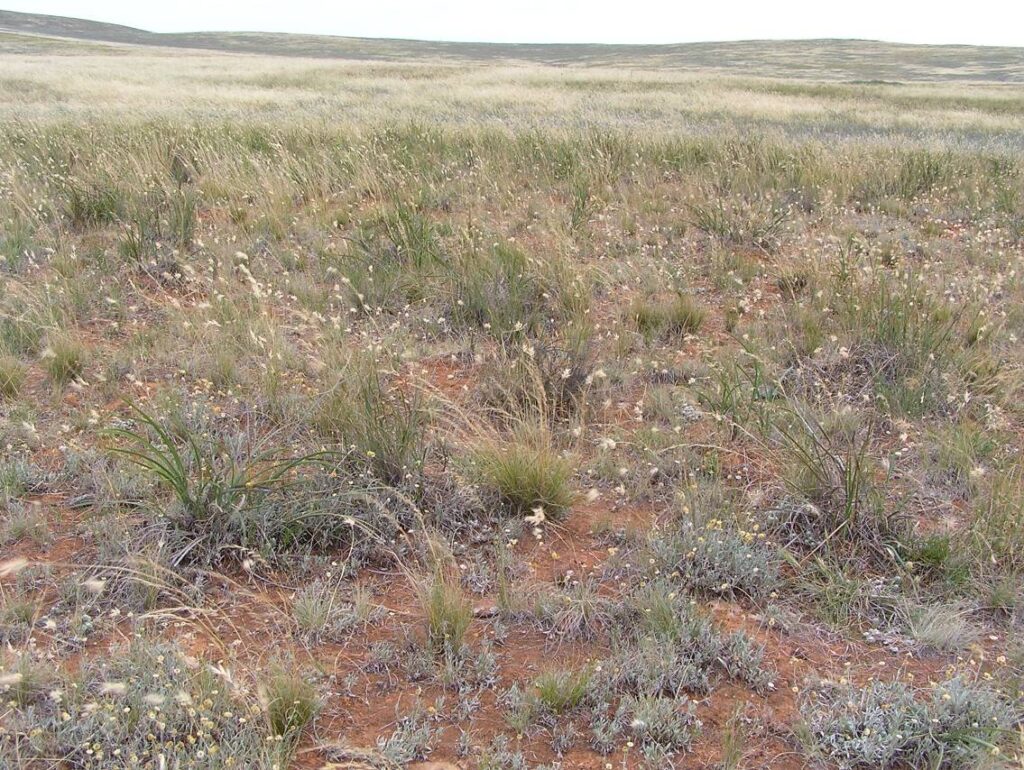
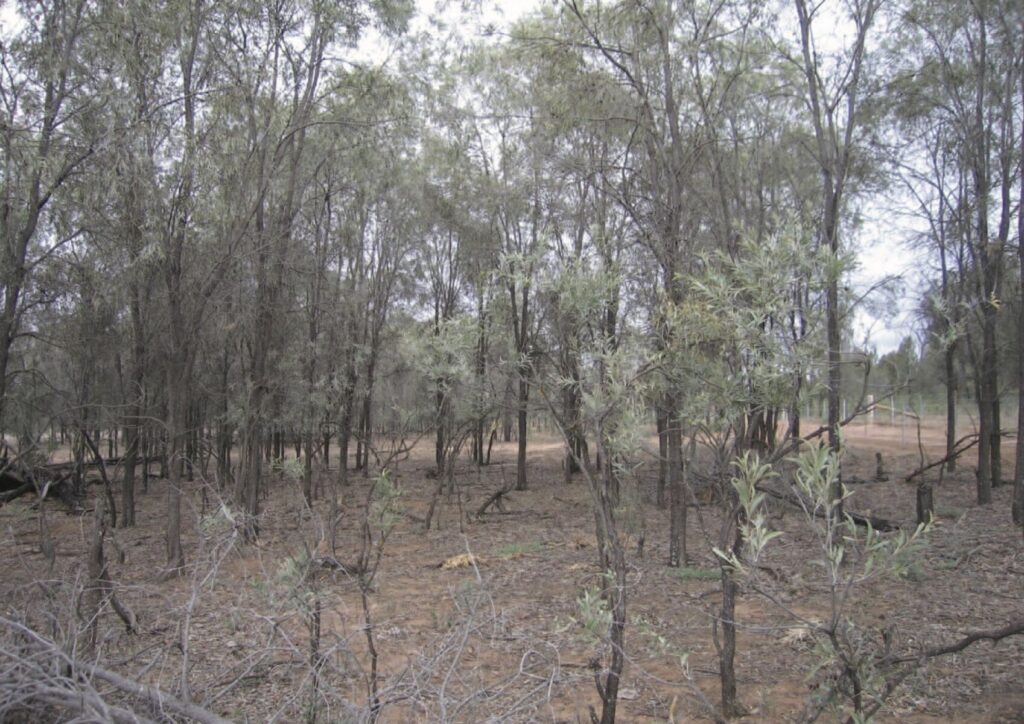
Watson and his colleagues also argue that we need to change our approach to conservation. Measuring success in terms of the area of land protected is misleading. They recommend taking a strategic, rather than an opportunistic, approach in conserving land. Ensuring that conserved land is in the right location and is well-managed should be the primary objectives.
Watson’s group emphasises that areas with the highest biodiversity value, particularly those with critically endangered species, need to be urgently protected. Moles also agrees that focussing on conserving biodiversity should be the highest priority. Measuring success in terms of outcomes, rather than simplistically as the area of land conserved, is an integral part of the approach these ecologists recommend. Moles argues we need to rethink conservation and recommends against using the state of Australian ecosystems before white settlement as the standard to aim for. Climate change, she emphasises, is altering ecological communities and conservation needs to focus on maximising biodiversity based on how these communities are evolving, not on what they used to be. How this can be done is the challenge for ecologists to work out and for us all to push for.
Sources
-
How plants are responding to climate change and should we worry about introduced plants?, ABC Radio, The Science Show, 26th September, 2026.
-
Angela Moles, Seminar 19: One third backwards! Plant responses to climate change and their implications, Centre for Tropical, Environmental and Sustainability Science, 28th August, 2024.
-
James Watson et. al., Australia has dedicated more than 20% of its land to conservation but not where it matters most, The Conversation, 24th March, 2026.
.