Discover Plants for Pollinators!

By Newcastle District group

This article was originally published by the Australian Plants Society NSW Newcastle Group on 1 August 2025. Written and photographed by Maree McCarthy.

Looking to bring our vital Pollinators to your garden? Natives offer a ‘MULTIPLIER Paper Daisies AFFECT’: Not just flowers!

Why are Natives essential for Pollinators?

  • Native pollinators need native plants. Some are even specialised to one type of native plant such as the Persoonia Bee which can only use Persoonia plants; and Teddy Bear Bees need ‘Buzz Pollinator’ natives such as Hibbertia and Dianella.
  • Butterflies and Moths are also important pollinators and can only be raised on certain plants they have evolved with. These generally must be native plants.
  • Of course, not just insects, but Birds are pollinators too!

What Natives host the most? (Small)

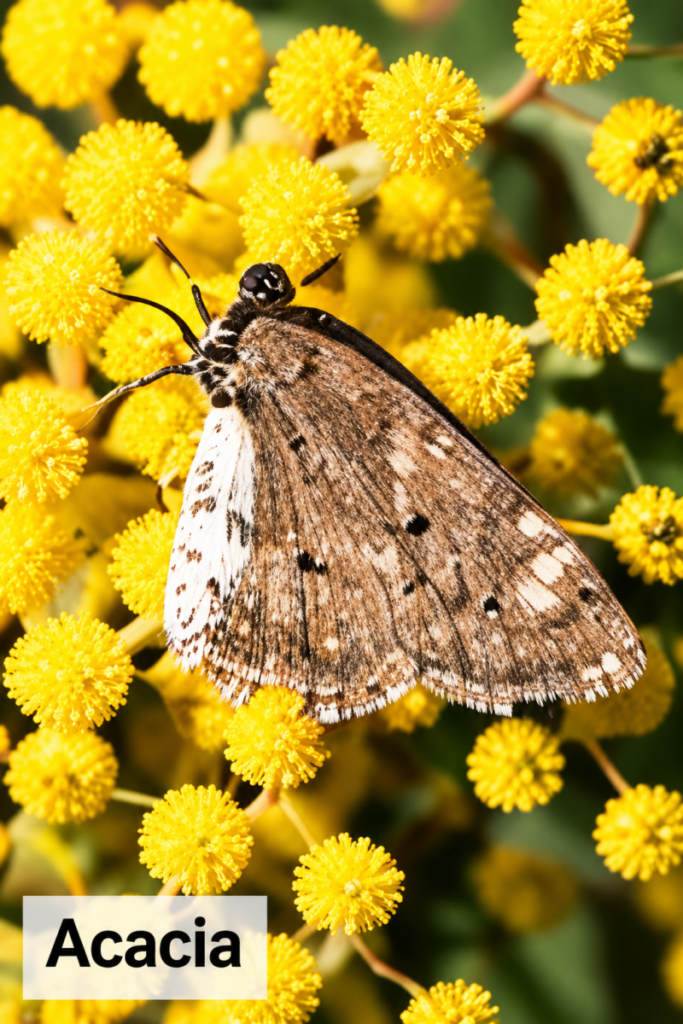
• Acacia – Many Butterflies and Moths including White Satin Moth,

Bizarre Looper. Also co-dependent relationships with some Ants,

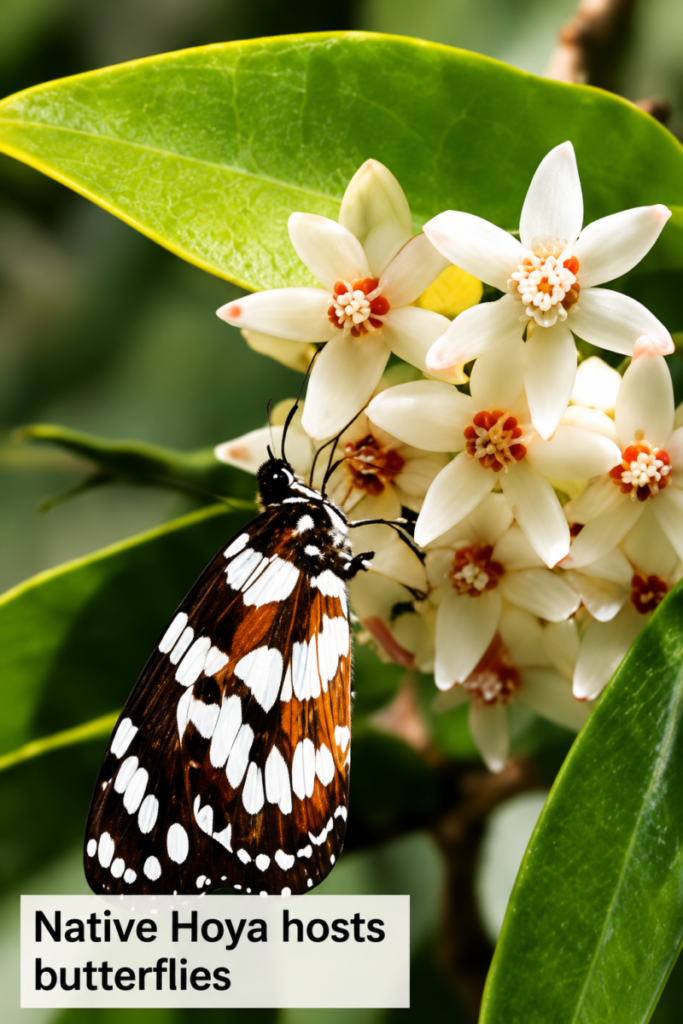
Native Hoya hosts butterflies

Beetles, Hoverflies and other insects.

• Breynia – Butterflies, Moths, incl: Grass Yellows, Green Ghost

Moth, Eastern Flat.

• Callistemon – Butterflies, Moths and many other insects.

• Dianella – Skippers, Yellow Banded Dart, Buzz Pollinators.

• Gahnia grasses – Many Skippers and other Butterflies.

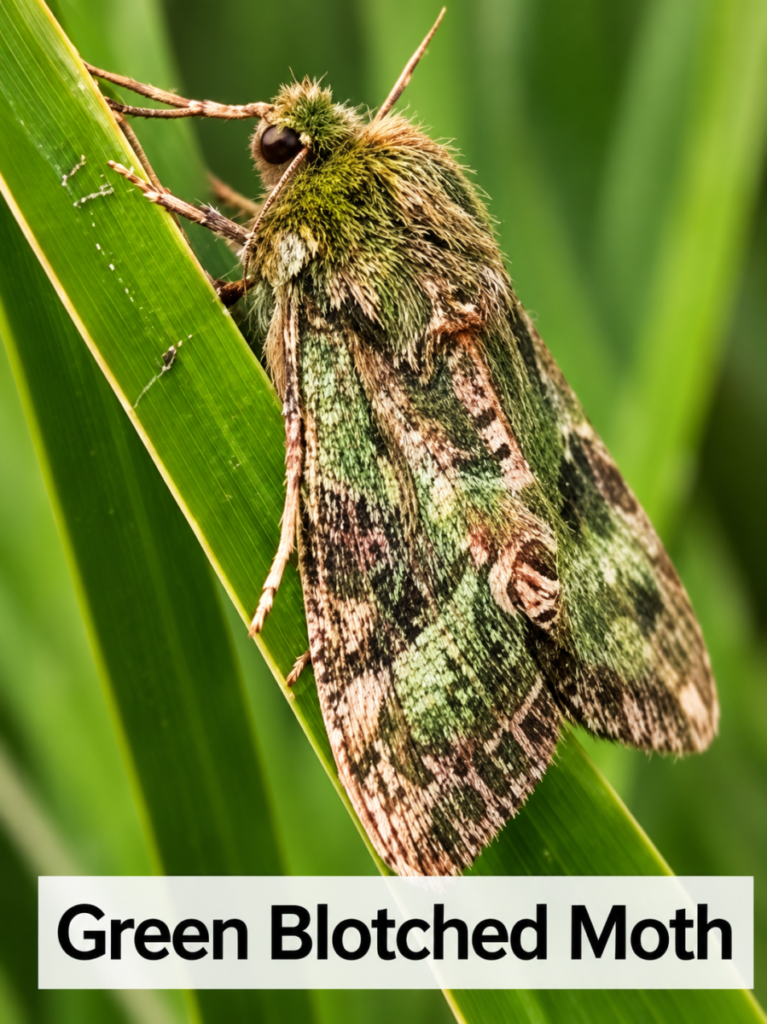
Green Blotched Moth

• Goodenia – Tiger Moth, Meadow Argus Butterfly, Buzz Pollinators

• Hardenbergia – Grass Blues, many Moths, Leafcutter Bees use

leaves.

• Hibbertia – Vine Hawk Moth, Satin-Green Forester, Impatiens Hawk

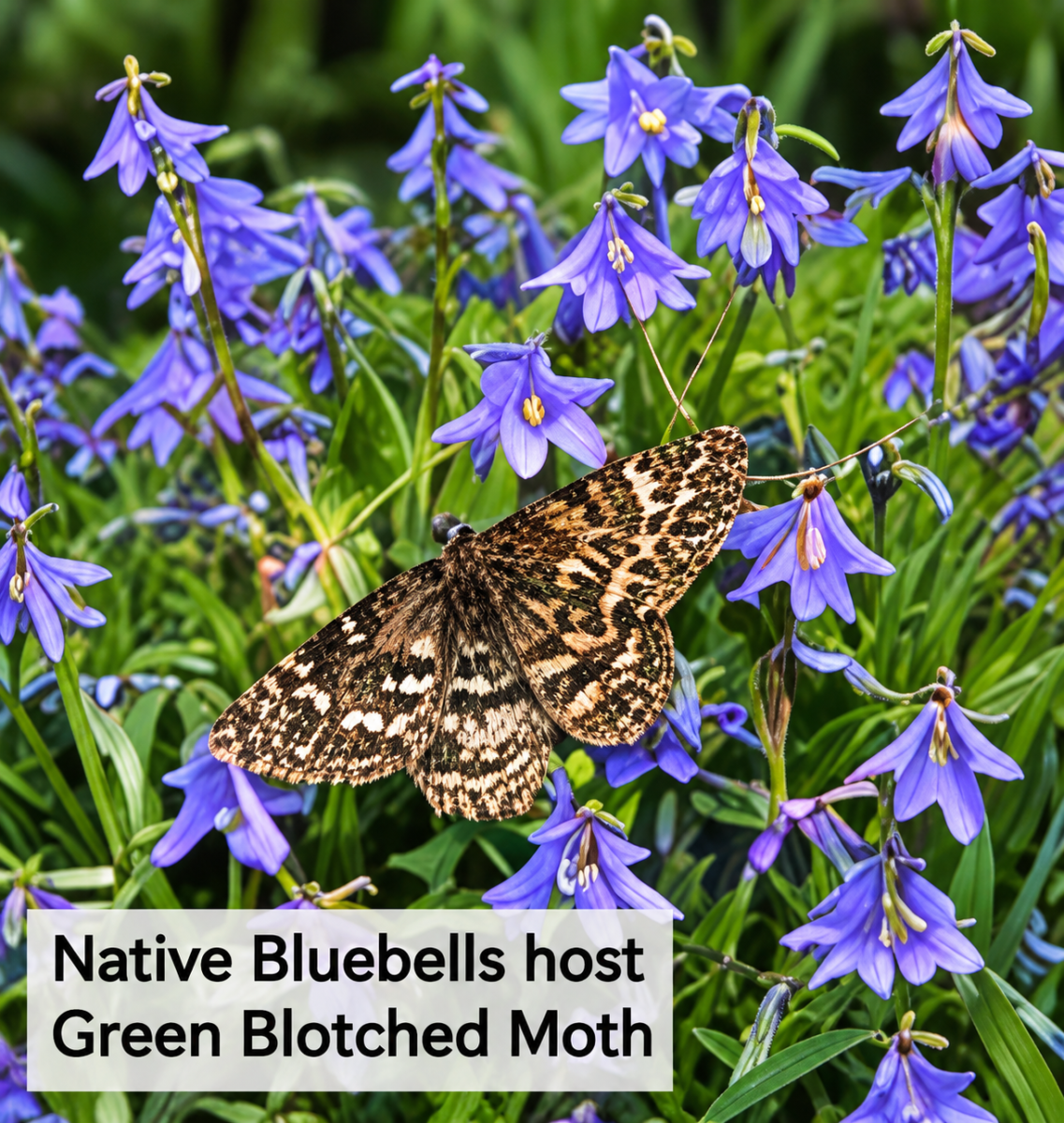
Native Bluebells host Green Blotched Moth

Moth. Buzz Pollinators.

• Hoya australis vine – incl: Common Crow Butterfly, Tiger Moths.

• Indigofera australis – Long-tailed Pea-Blue, Common Grass Blue,

Banks’s Brown.

• Leptospermum – Many native bees and other pollinators. Moths.

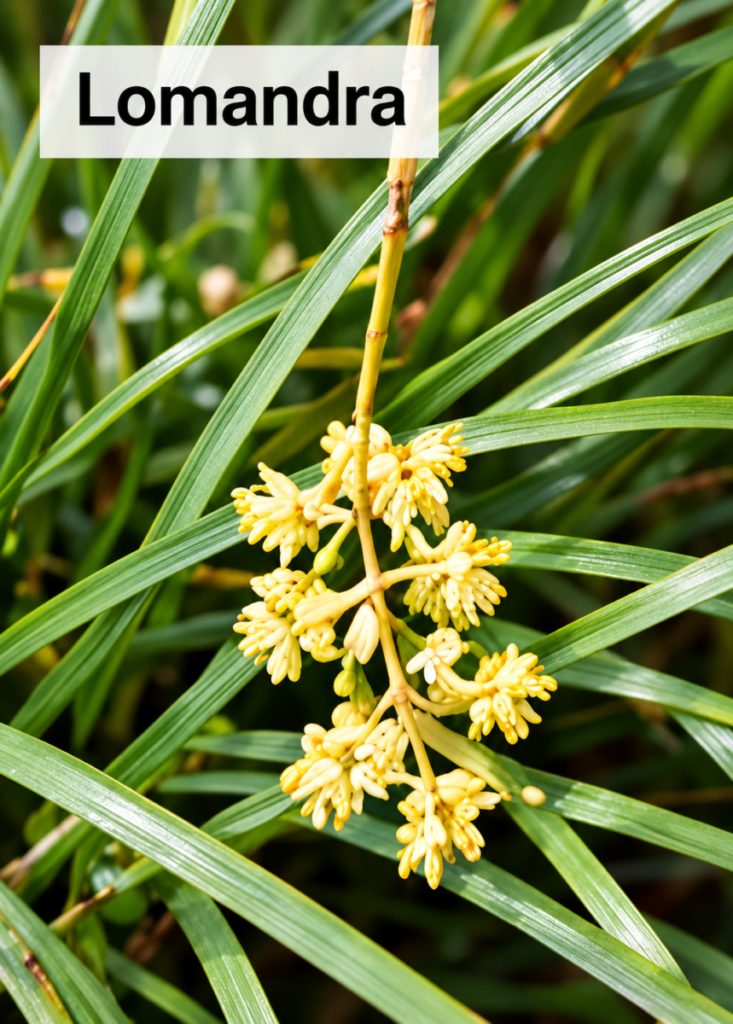
• Lomandra grasses – Many Skipper and other Butterflies

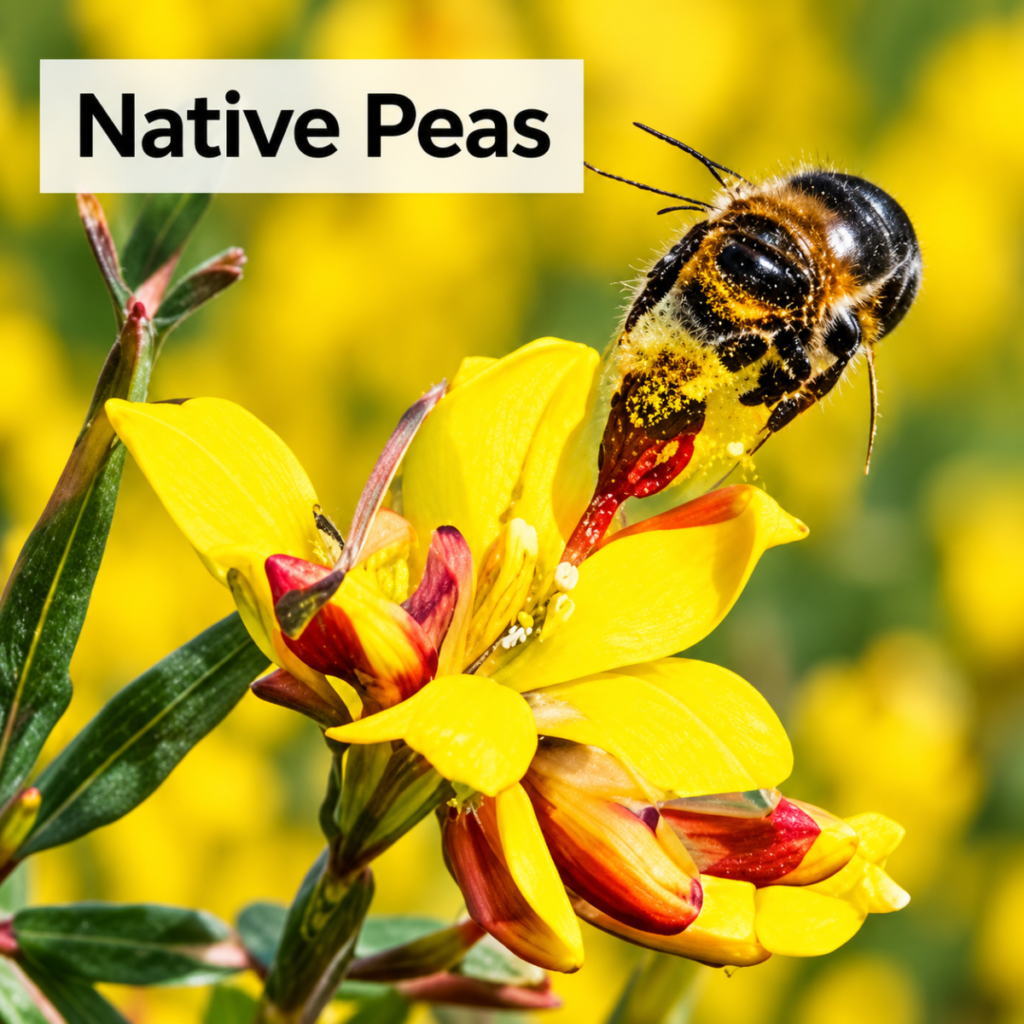
• Native Peas – Blues such as Fringed Blue, Pea Blue, Grass Blue.

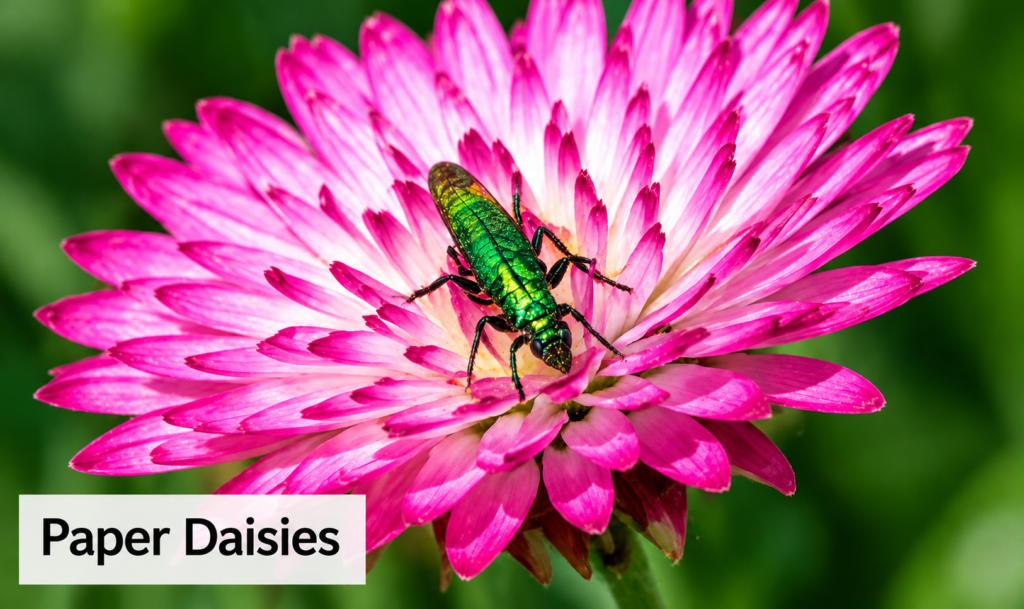
• Paper Daisies – Nectar! Also host for many Butterflies and Moths.

Lomandra

• Poa grasses

• Scaevola – Meadow Argus Butterfly

• Themeda grasses – Many Butterflies and Moths

Native Peas

• Wahlenbergia (Native Bluebells) – Green Blotched Moth

• Westringea – Moths, Butterflies also good source of nectar and

pollen all year for long-tongued Bees.
You can still make a difference no matter the size of your garden!

• Potted plants on a balcony garden, or a rented property

• Turn lawns into refuges for natives!

• Small gardens can provide safe pit stops and refuges for some

birds and insects – especially during migration.

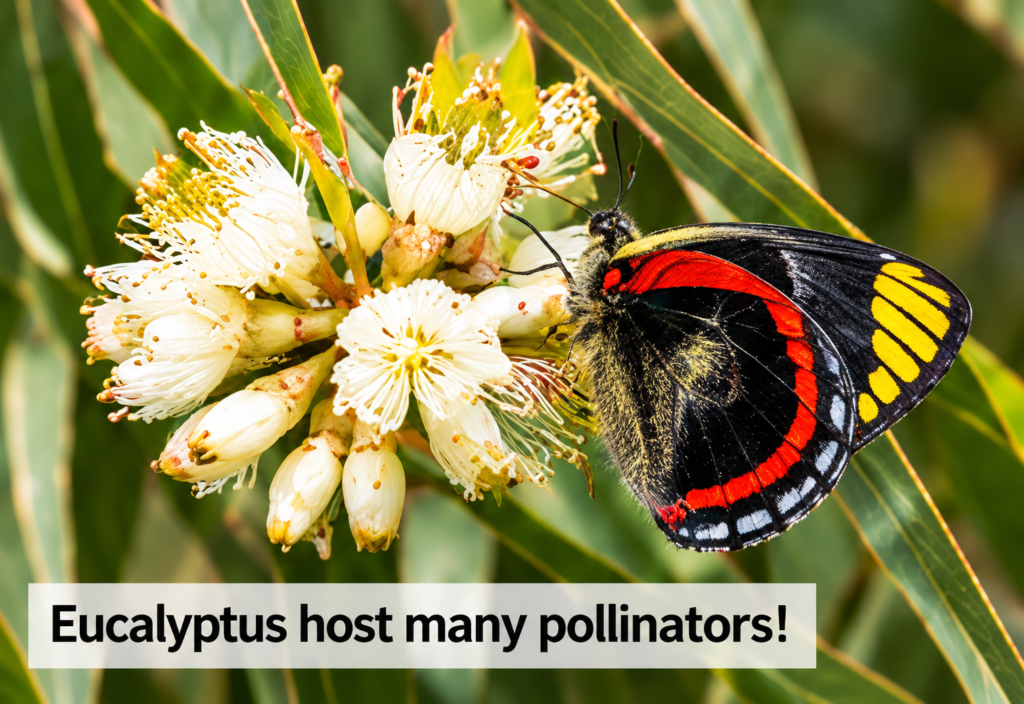
Eucalyptus host many pollinators!

• ‘MULTIPLIER AFFECT’ garden will provide diverse layers, be bushy

to the ground, and have some native grasses. Always add WATER!

Then add mulched areas and un-mulched areas, rocks and logs.

• Have a variety of natives that provide nectar, habitat for insects,

nuts and seeds.

Water:

Provide clean water such as a Dragonfly Waterpot with native

aquatic plants! Water attracts wildlife like magic!

Join us at Hunter Wetlands Centre, Thurs mornings, where our friendly

volunteers operate a community nursery filled with stunning Australian native

plants at affordable prices to help support local biodiversity and your gardening joy.


All Photos by Maree McCarthy