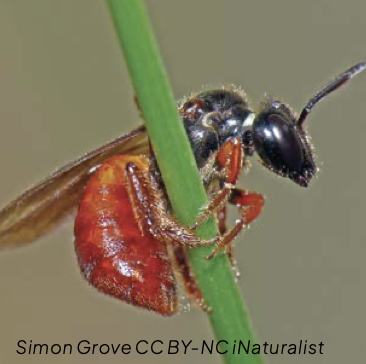
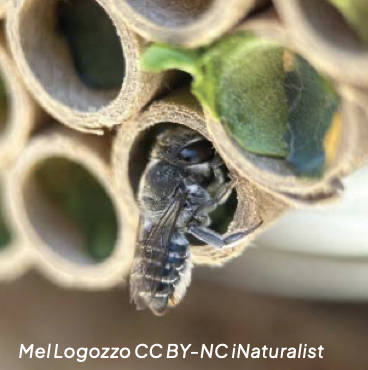
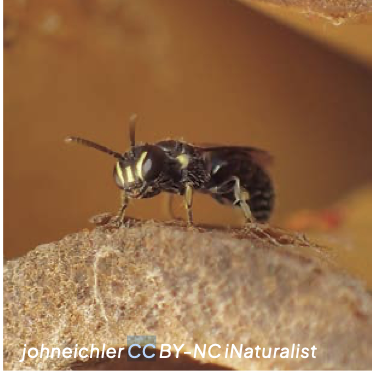
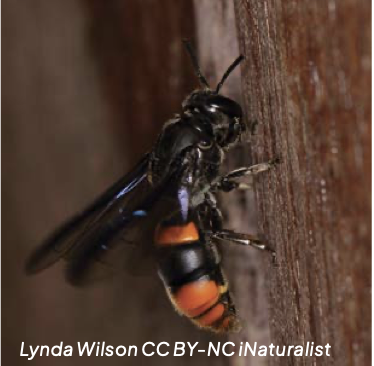
Australia is home to over 2,000 species of native bees, all playing a vital role in pollinating our plants and food crops. Sadly, bee populations are under threat from land clearing, pesticide use, and the impacts of climate change — but we can help by providing habitat in our own gardens.
The Biodiversity Council has partnered with native bee ecologist Clancy Lester to show you how to build your own bee hotel using locally sourced materials. There are three types of hotel to choose from — reedy, hardwood, and clay block — each attracting different bee species.
Watch the video guide Content and fact sheet courtesy of the Biodiversity Council, 2024.
So you’ve decided to make your own bee hotel, congrats! Native bees in your local area are buzzing with anticipation. But first, you need to choose one of three hotels to build. Check out the kinds of bees each one attracts.
Reedy hotel
For bees that love the hollows inside dead pithy flower stems, reeds and untreated bamboo.
Reed bees (Exoneura)
Leafcutter bees(Eutricharaea)
Masked bees (Hylaeus)
Hardwood hotel
For bees that nest in cavities in wood or the holes made by wood boring grubs (or drill bits!). Some bees that nest in hardwood hotels also like reedy hotels.
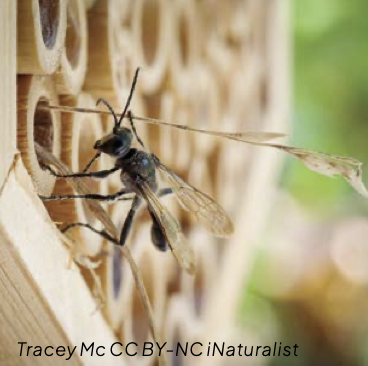
Wasp-mimic bees (Hyleoides)
Grass carrying wasps (Isodontia)
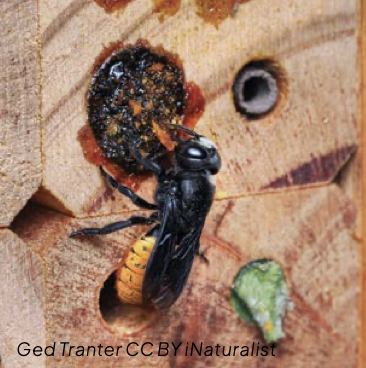
Resin bees (Megachile)
Clay block hotel
For bees that nest in clay, sand or bare soil.
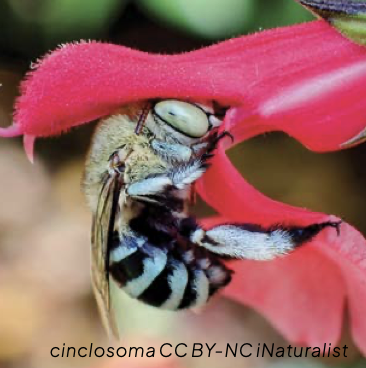
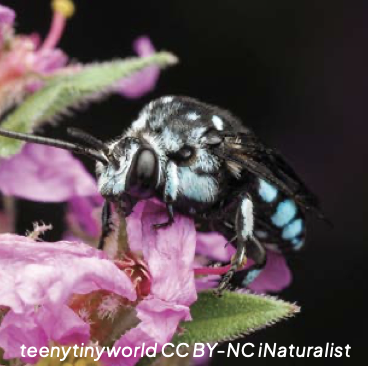
Blue banded bees (Amegilla)
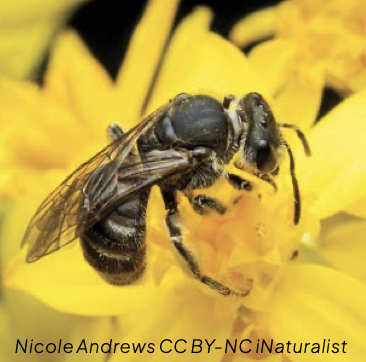
Lasioglossum *this species likes bare patches of soil
Cuckoo : cloak & dagger bees (Thyreus)
Important: Bees need hotels that haven’t been fumigated or chemical treated, so don’t use imported materials or treated timbers.
Reedy hotels
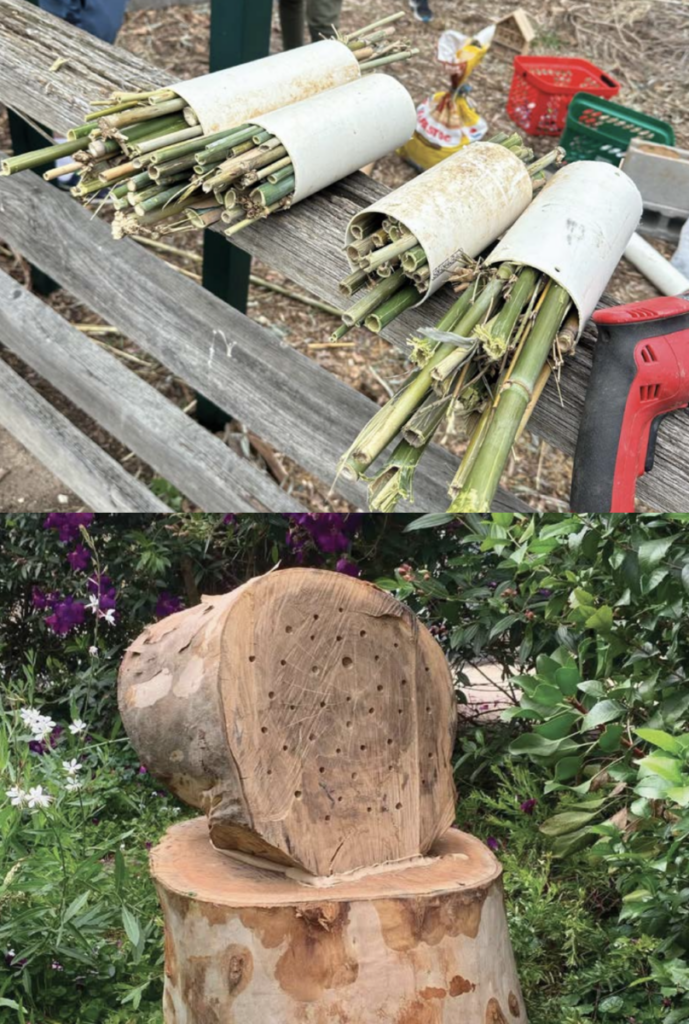
1. Find or buy hollow reeds, dead flower stems and/or bamboo with internal diameters less than 10mm.
2. Cut the reeds, stems and bamboo to around 200 mm lengths below the node (the bumpy bit on bamboo) to create an open cavity.
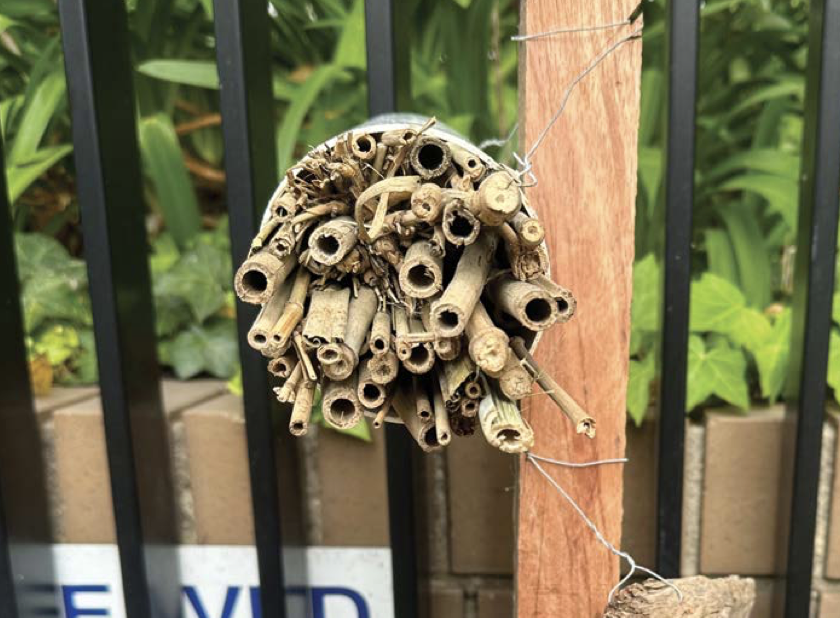
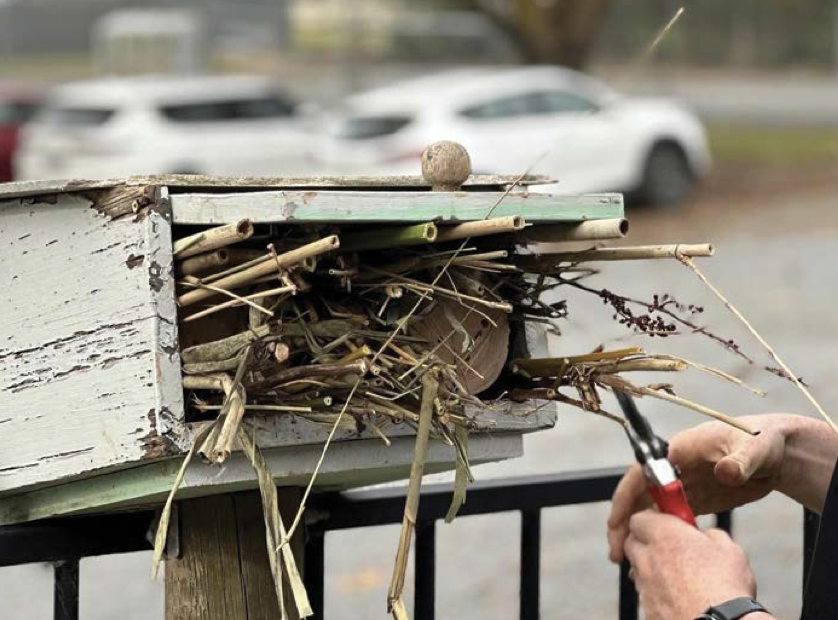
3. Bundle everything up and jam tightly into PVC pipes, old tin cans, or even old letterboxes.
Old PVC pipes are great for bundling up reeds, stems and bamboo. Use a mix of widths to fill any gaps.
Get creative - even old letterboxes can make the perfect bee hotel
Hardwood hotel
1. Find or buy native hardwood like eucalyptus, ironbark, jarrah or red gum and cut to lengths of around 200 mm.
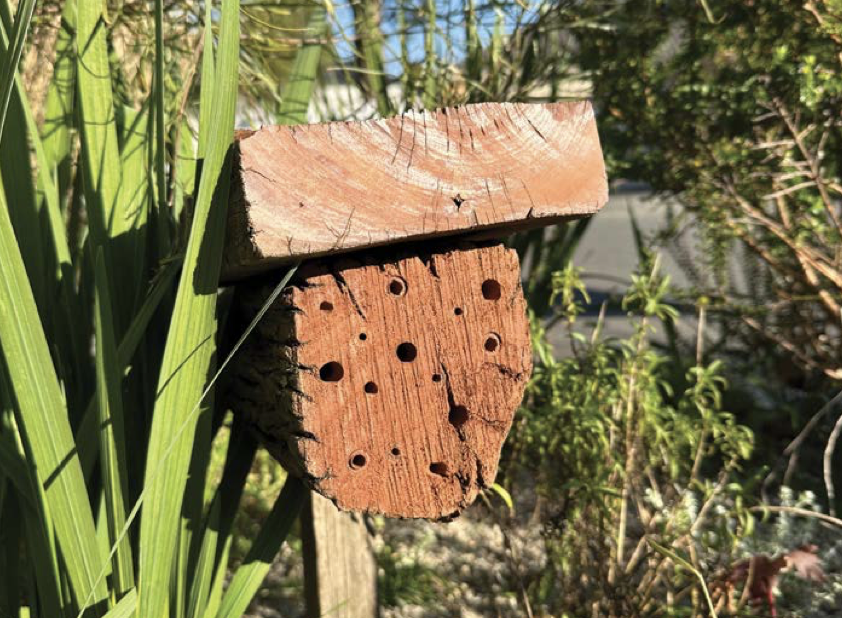
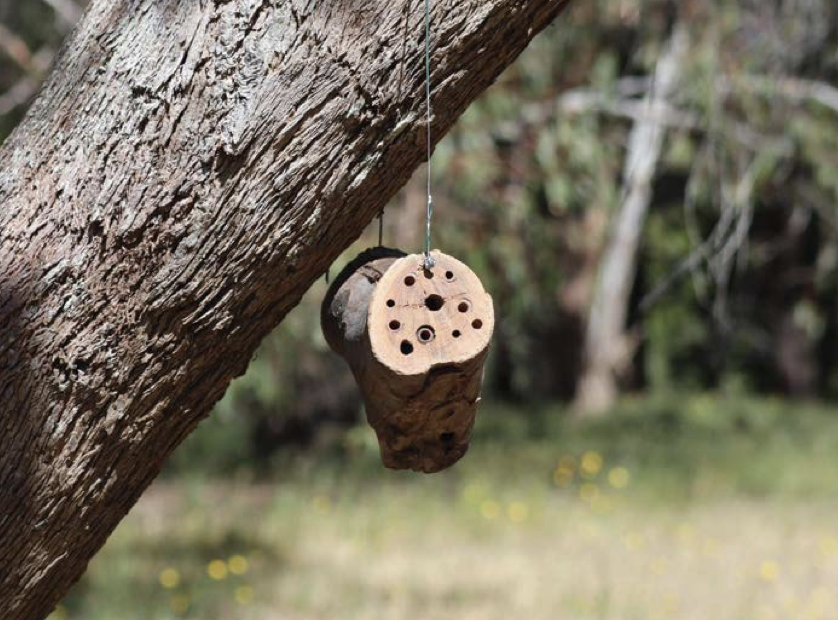
2. Using extra long timber drill bits, drill holes of various diameters (3-9 mm) to depths of at least 100-150 mm.
3. Angle all holes slightly upward to prevent water from pooling at the bottom and make sure no holes are bigger than 10 mm wide to avoid unwanted creepy crawlies.
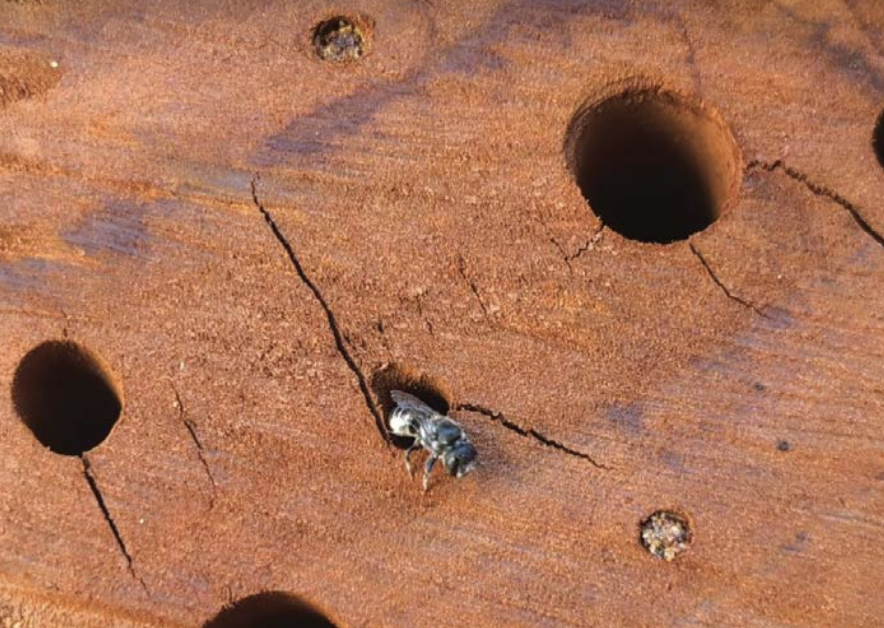
Drill holes of varying sizes to accomodate different sized bees, but don’t go over 10mm in diameter.
Hang reedy or hardwood hotels securely off the ground at about eye-level.
Important: Bees like hotels that are all natural, so avoid using metal tubes or plastic straws that can attract heat and moisture.
Clay block hotel
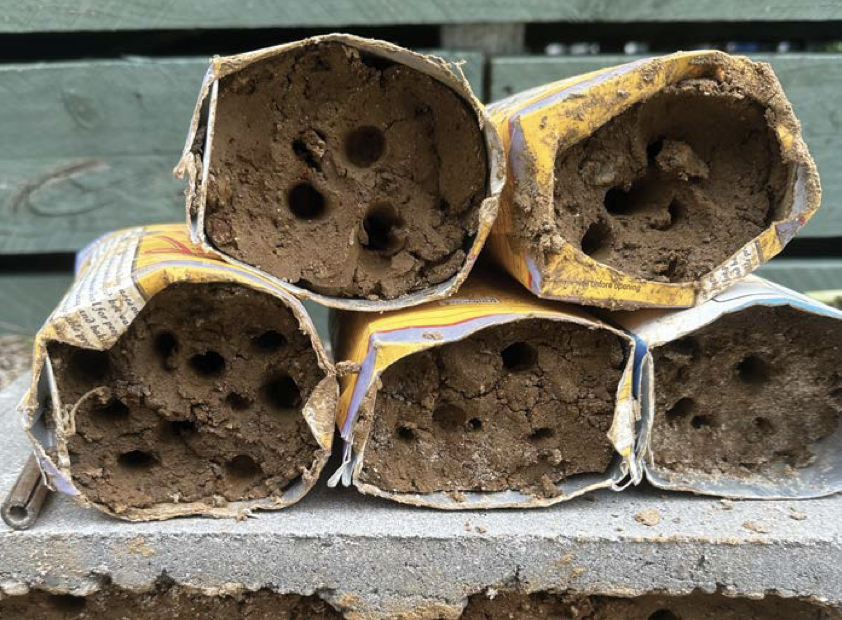
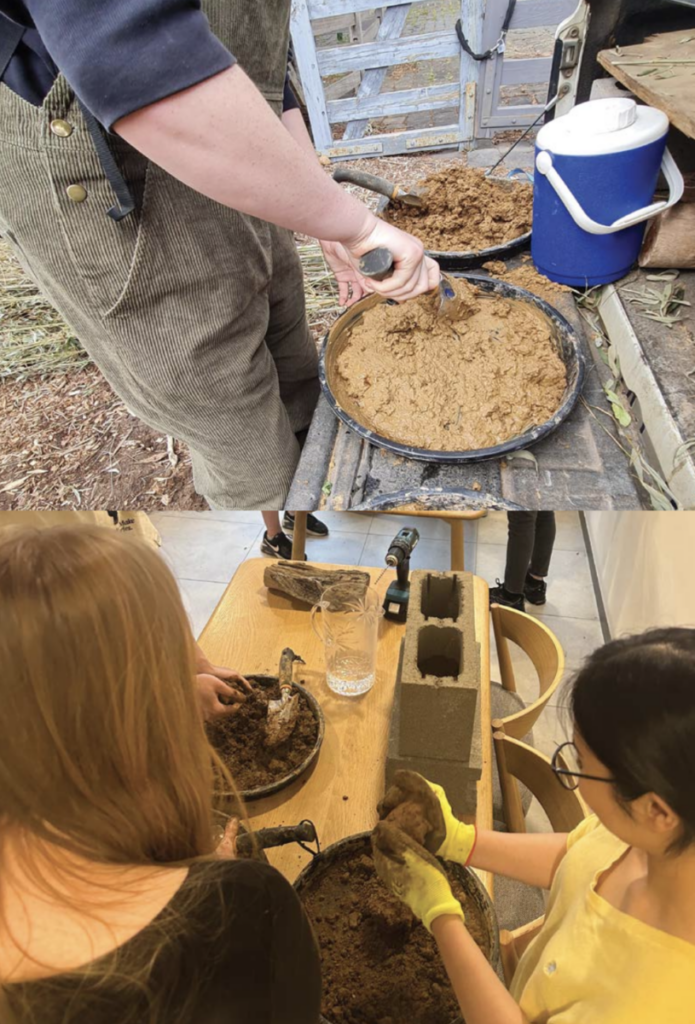
1. Create a mixture of clay and sand and pack it into something like a concrete besser block or durable container.
2. Using a stick or pencil, poke shallow holes into the clay-sand mixture.
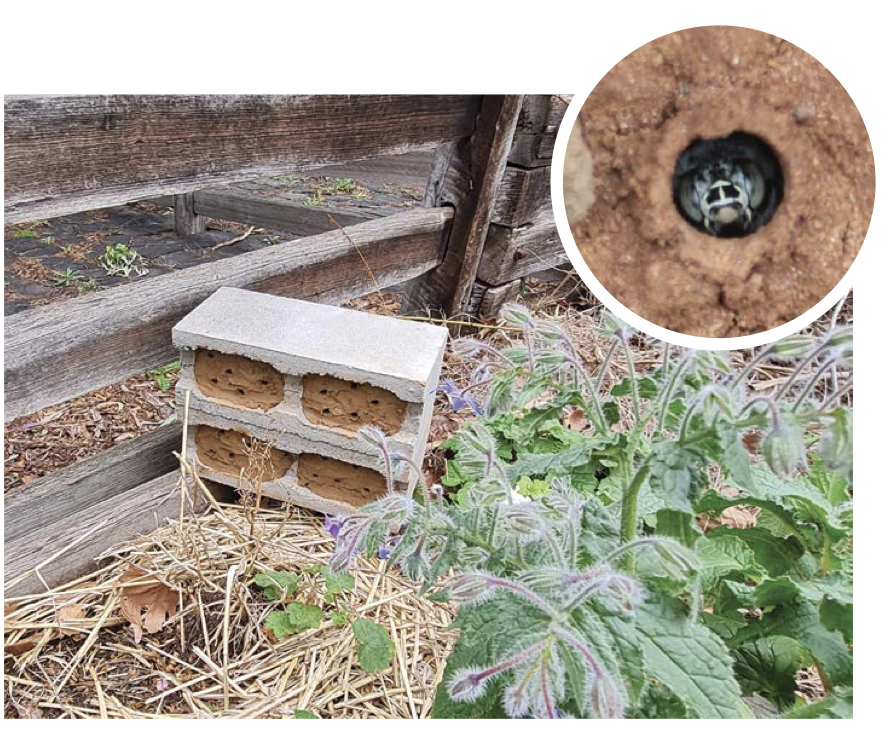
3. Ground-nesting bees, like blue-banded bees, love to nest together, so place clay block hotels in groups of around ten. Also, place hotels near patches of un-mulched bare ground in the garden as some ground-nesting species will prefer to make their own homes.
Place clay block hotels in groups on the ground.
Leave areas of un-mulched ground next to your clay block hotels as some bees like to nest on bare patches of soil.
Put a roof on it
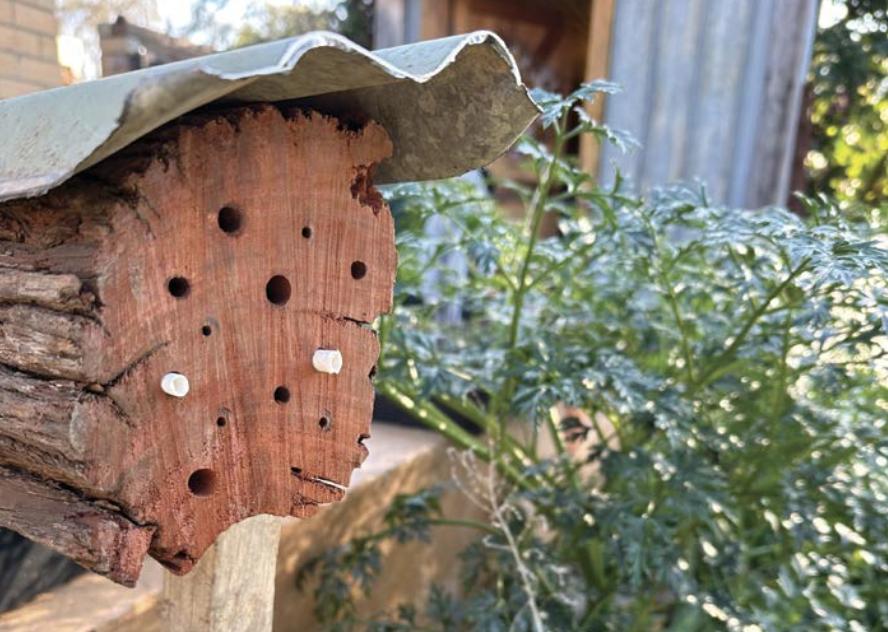
Put a roof on your hotel to keep your bees nice and dry. Make sure the roof covers the holes and openings in your hotel, but doesn’t block out too much sunlight.
Location, location, location
Choosing the perfect spot for your hotel is easy, you just need to keep a few things in mind.
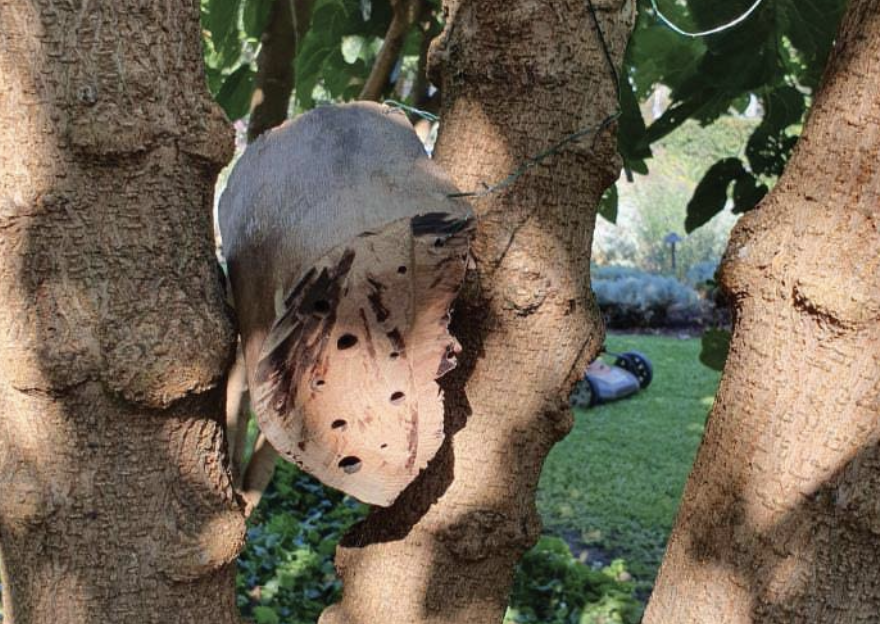
Reedy hotels and hardwood hotels should be placed off the ground around eye-level, secured either by wire/string or in the fork of a tree. Clay block hotels should be placed on the ground.
Bees enjoy the sunlight. Avoid placing your hotel on the south-side of buildings, which are often shaded in Australia, or in darker areas of your garden. Bees also like to wake up with the sun, so face hotel openings towards the north-east to delight them with a sunrise.
A good hotel has plenty of restaurants close by. Plant native wildflowers such as native daisies (Asteraceae), and flowering shrubs and trees such as myrtles (Myrtaceae), native peas (Fabaceae), and proteas (Proteaceae). Some exotic plants like salvia and lavender are also good food for blue banded bees, but most native bees will rarely use exotic species.
Doors open!
Enjoy watching your hotel come to life, knowing you’ve created great habitat for local bees to do what they do best – pollinate flowers!
Spring cleaning
At the end of winter, before the weather warms up, your guests should have packed up and left the hotel (signified by a small exit hole on a once capped hole). You can easily tidy up with a pipe cleaner to remove any debris, dead cells and spider webs.
Roofs help keep your bees nice and dry.
Wedge reedy or hardwood hotels securely in tree forks or tie them to branches using wire or string.
Check for sealed holes, which signify a hotel room is in use.